

Video Production Tips and Tricks
If you are a beginner making videos, everything about the video creation process can be a little daunting. There’s a lot to think about from the right lighting set-up to shot planning and editing it all together. However a few video production tips and tricks will improve your video content.
Before we delve deeper into the nitty gritty. So let’s go through the fundamentals of production 101 that help you create your video with confidence and clarity.
Understanding The Video Production Process

The video production process serves as your guide. Regardless of the video style you are shooting, the process helps to stay organized and provides a way for your completed video to convey the message you want. This usually includes the three key processes: pre-production, production, and post-production. These three processes will dictate the video-flow from start to finish.
1. Pre-Production: Laying the Foundation of the Video
Pre-production is the phase where all of the decision-making occurs. At this stage, you will work out the goal of your video project and what you wish to accomplish through your video. It could be a brand video, or it could be a promotional video. Either way, in the pre-production phase you will need to finalize the type of video, scripting, storyboarding, scout for locations.
Also you need to take an inventory of resources to assemble, and then organize your production team. If you’re a beginner, the pre-production phase is a real lifesaver! It makes fewer mistakes, it makes the workflow faster, and it helps your production phase work more smoothly.
2. Production: Bringing Your Vision to Life
When your plan is done, it is time to enter the production stage. In this action stage, you are filming video, setting up lighting, working with your production team or producing your own, capturing audio while using the storyboard as your guide. Even if you have little production experience and you want to keep it simple.
There are still several production techniques that will greatly improve your video quality – framing the subject, using a tripod or stable camera support, capturing audio well, and maintaining consistent lighting.
3. Post-Production: Shaping the Final Video
Once your video has been filmed, the real magic happens in the post-production stage. The editing phase involves organizing your video file, reviewing your footage and determining which video clips will work best, adding transitions, music and sound effects.
It also enhances the quality of the video through colour correction. The post-production stage is what makes your video have form, fluidity, and appropriate structure when it is ready to go to the viewers. As the saying goes, post production is where your video truly becomes the final video.
Essential Production Tips and Tricks for Beginners
People new to video often don’t realize how little changes can impact their results in a big way. The below video production tips and tricks will instantly raise your video no matter how new you are, or what equipment you have.
- Work on keeping your story simple and clear. A video that is easy to comprehend and has a good flow is ALWAYS more engaging for your audience. On to a lighting tip, lighting can make or break your video’s results.
- Another shooting tip is camera stability. No one likes to see shaky cam. There are easy ways to stabilize your shots, even if you don’t have a tripod you can even prop the camera up on a stack of books.
- The next tip that is always recommended is to make sure you have near perfect sound. Sound improves your video to look more professional especially considering you may not have a cinematic video quality.
- Pay attention to where you’re shooting, and stay aware of your environment! A nice clean backdrop is a simple way to ensure your focus remains on your subject and you do not have distractions.
- A clean background ensures your videos look intentional and they look to be clean, polished work.
These little habits add up over time, build your confidence, and help you create better looking videos without a lot of extra work.
Lighting Tips to Make Your Video Look Professional
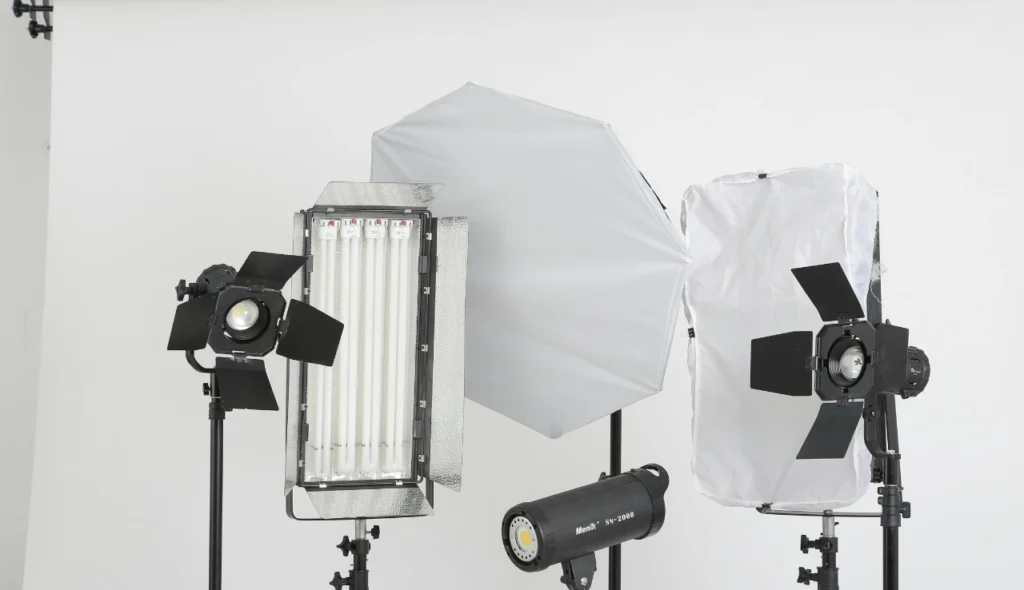
Light set up is the most important factor affecting the quality of your video. Regardless of what type of video you are shooting, using the appropriate lighting will enhance clarity, depth and professionalism.
- Use the classic three-point lighting setup and think about three key terms: key light, fill light and back light. This will give balance to your subject, reduce harsh shadows and help separate the subject from the background.
- If you aren’t using professional lights, you can still greatly improve your video by utilizing window light and a simple reflector.
- Do not mix light temperatures as it can increase inconsistency and make easy editing challenging.
- Always have your subject face the light to avoid awkward shadows.
- Finally, always remember that even in a DIY video environment, position on lights can go a long way and more so will greatly affect how your video looks to your audience.
Choosing the Right Type of Video for Your Goals
Each kind of video serves a function and knowing the distinction will help you plan your content creation more purposely.
- If you want to explain with a concept or process, an explainer video is the best type to use.
- If you are looking to drive awareness and conversions, or capitalize on sale opportunities, a marketing video typically provides a better return.
- Brand videos are primarily focused on emotive Storytelling and values to engage the viewers to become acquainted with who you are.
- Social media video formats are generally best if they are short, engaging, and created specific to the fast pace of platforms such as Instagram or TikTok.
Understanding the type of video that you are creating will help with visuals, writing style, pace, and editing.
Tips for Filming: Shooting Video Like a Professional
Filming is often where many beginners feel the most stress, but these tips for filming will make it easy and effective.
- Start with a solid framing method, such as the rule of thirds, to keep your subject placed naturally within the frame.
- Always shoot in a higher resolution (preferably 4K) – even if you only plan to export your video in 1080p. Your future self will appreciate this decision because it allows for greater versatility while in the editing process.
- Always use manual focus whenever possible, especially with a close-up shot, or during an interview, to guarantee the subject stays in focus.
- When filming, make sure to check your audio levels, because noisy or distorted audio is impossible to fix later on.
- Make sure to keep your movement minimal and intentional, unless you are creating dynamic shots.
By using these uncomplicated filming habits, you can maintain consistency throughout your filming for a more professional product.
DIY Video Production: What You Can Do on Your Own
Creating impactful video content can often be accomplished without the necessity of a full production team. Video production on your own is cost-effective and convenient, and works well for small businesses, content creators, or any newbie just starting out.
Today’s smartphones have cameras capable of making high-quality video. Combine that with free editing software, such as DaVinci Resolve, CapCut, or Adobe Express, and you’ll have a professional edited video without the large expense of equipment. You can even record your voiceover at home using a simple microphone or your phone, assuming you are recording in a quiet room.
Natural light is a valuable asset. For this reason, if you are DIYing your video, shooting near a window may provide better lighting than whatever inexpensive lighting you might buy. Through small, considered choices, anyone can create video content that feels high-end without the luxury of a full production crew.
When to Hire a Video Production Partner
While DIY solutions may be adequate for some projects, there are many projects that are better when you consult or hire a video production partner. A team of professionals can provide expertise, a dedicated production crew, superior equipment, and a workflow unique to the production side that sets it up so the video will be great.
If your project requires a fully produced project, requires professional editing, or requires advanced special effects added into the production, then hiring a production company is a wise investment. A production partner can provide internal teams with time. Some projects can take up to a week and a half just to get completely finished.
Video Editing Basics: How to Edit Your Video for Impact

Editing is a key factor in the video process and in turn, the experience your viewers will have with your content.
- The first step is to organize your footage, cut out any parts that do not add value, and try to keep your edits concise.
- You can add transitions that feel like an organic part of the video, add music and sound effects that align with the tone of voice of the video, and then color and lights adjustments to align all the scenes visually.
- The selection of software is influential on both the editing workflow and the final product, whether you use professional video editing software or free video editing software.
- Good editing will make your video more enjoyable to the viewer and provide a clean, cohesive format for your story.
How to Use Video Content to Boost Marketing Results
There is no other marketing medium as powerful as video. Video can be integrated into your website, landing pages, social media assets, promotional ads, and customer education materials. Video is more engaging, builds brand identity, and builds trust with potential customers.
When you integrate video into your marketing strategy, you can showcase your product, tell your brand story, and build an emotional connection with your audience. When applied with the right elements of strategy, creativity, and execution, video can be one of the best drivers of conversion and brand building.
Conclusion
These video production tips and tricks for beginners are helpful to feel confident and produce well-refined high-quality videos. Whether you are focusing on your lighting, preparing to make a video, filming with intent, or editing the footage, your video should gain a more professional look and your video content will improve overall. If you’re trying to do it yourself, or if you’re working with video production companies, these principles will lead you to a more effective and engaging video project.
Do you want to create high-impact, professional quality videos to elevate your brand? If so, let’s work together and bring your vision and story to life. If you have production inquiries, creative support or video strategy, don’t hesitate to reach out to Amigoz Productions at any time.
FAQs
What Are the Most Useful Production Tips and Tricks for Beginners?
Start with good lighting, stable frames, and clear audio. These must-have items will provide the biggest impact to the overall quality of your video.
What Are the Stages of the Video Production Process?
The stages include pre-production, production, and the post-production process. Each stage affects the structure, visuals, and clarity within its final video product.
Do I Need a Production Company or Can I Make Video Content Myself?
Making video content on your own is efficient for simple content, but hiring a video production company is the best course of action for complicated video projects or video content for brand-level videos that would require a full production team.