

What Are The Three Main Phases of Video Production?
The three stages of video production form the foundation for all successful video projects. From creative planning to filming and onto the final edit, each stage contributes to the look, feel, and effectiveness of your final product with your audience, especially when storyboarding is involved.
In this guide, we’re going to know what are the three main phases of video production and break it into simple, structured phases. Let’s take a look at each stage and how they work together to achieve a high-quality video.
What are Pre-Production Steps (Step One)
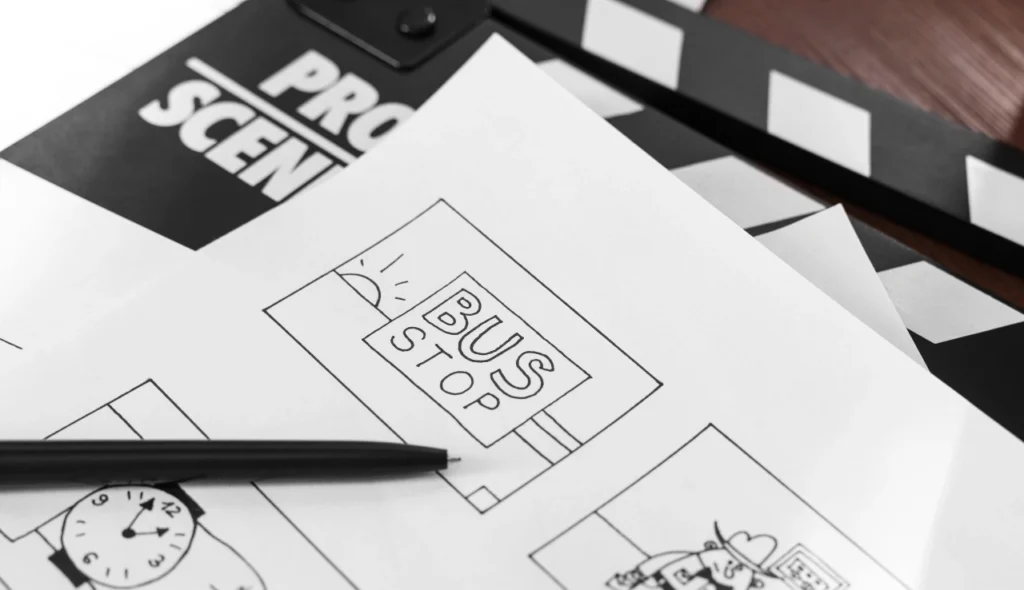
The Pre-production phase serves as the planning engine for all video production tasks. This is the phase that creates the creative direction, aligns everyone on the goals of the production, and will set the team up for success before any of it comes to life on camera. Without effective pre-production, everything else in the video production will become a guessing game, and this is when timelines slip and budgets leak.
So, what happens here during this step:
Concept Development
This is where your idea changes from a vague idea to a clear direction. The production team determines what the video is supposed to communicate and why this is important for your brand/campaign. By articulating the big message early, everyone involved will be on the same page later and reduces the risk for a video to miss the mark or become aimless.
Script Writing
The script is the baseline of the narrative in any video project. It includes everything, from dialogue to scene progression to pacing, to ensure an audience will not tune away. A stronger script allows the production crew to have a much clearer vision of the final product prior to filming.
Define The Target Audience
Understanding who will watch your video guides your decisions related to tone, visuals, messaging, and format. It doesn’t matter if you’re creating a training video, marketing video, or explainer video, as long as the content aligns with the target audience, you should have a good final video that resonates with the audience and generates results.
Scouting Locations / Locations
The team looks for and assesses different locations based on lighting, acoustics, accessibility, and creative fit. A visually appropriate location for film production supports the narrative of the story, while a quiet environment maintains clean audio and saves work in post-production. The location scouting process also informs logistics, like the ease of loading equipment in and permissions required to film on location, which are critical in the stages of the video production.
Casting & Selecting Talent
Finding the right talent is important to ensure your story feels real and believable. The production team assesses comfort, appearance, performances style, and relationship to the brand message regardless of the use of an actor or actual employees in the video. Good casting adds to the overall emotional impact of your video content.
Developing the Production Schedule
The schedule clearly lists the timeline for every activity shoot dates, call times, equipment prep and a breakdown of the shoot by scene. A well-organised production schedule allows the production team to operate much more smoothly, reduces delays, and increases a seamless process from pre-produce, shooting and post production.
The Production Phase (Phase Two)
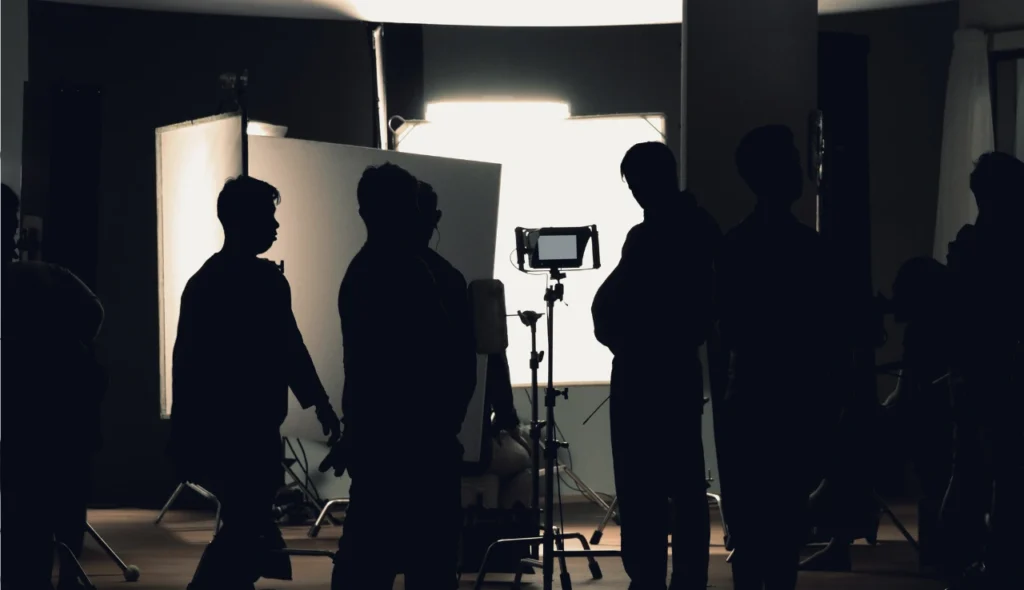
The production phase is when the video begins to take shape. This is the in-the-field moment when the production team, talent, and equipment come together to capture the footage conceived in pre-production, a vital part of the filmmaking process. It is the most energetic aspect of the video production process as this is the time for organisation, timing and detail.
Here’s what happens during the production phase:
Setting Up Gear
The crew will get the cameras rolling, the lighting set up, sound equipment and accessories ready to allow for a professional output. Once the production team is ready, they adjust lighting to create the mood for their shots and test the audio system to ensure clarity. Proper setup means less retakes and assures your raw footage is clean and editable footage later on.
Film According to The Storyboard
Once production is underway, the production team works with the storyboard as their guide to take the primary shots, interviews, B roll and cut-a-ways. Following the storyboard keeps the project anchored to the creative vision, and reduces time and effort when shooting scenes as they will have continuity in every scene. All the primary components of the videos will be shot and produced according to the storyboard.
Managing Actors & Talent
The production team guides talent through each scene to manage their performance of lines, emotions, and timing, ensuring a smooth filmmaking experience. The clearer the mock-up and directions to the talent, the more comfortable they typically feel on camera which results in a more natural, dynamic performance, positively affecting the overall production.
Monitoring Audio & Video Quality
The team is continually monitoring the video frames, lighting levels, and sound levels through the entire filming process. Having good, clean audio is essential. Fixing bad audio later on with technology is not seen as an easy solution, and good monitoring will help with the final video having a good appearance and feel.
Maintaining Continuity
In between every shot, little details about clothing, props, hair, and object placement + views must be consistent. Continuity is important to ensure that the audience doesn’t get taken out of the story with little details to hinder their viewing experience. This is also a step that will help in the editing process.
The Post-Production Process (Phase Three)
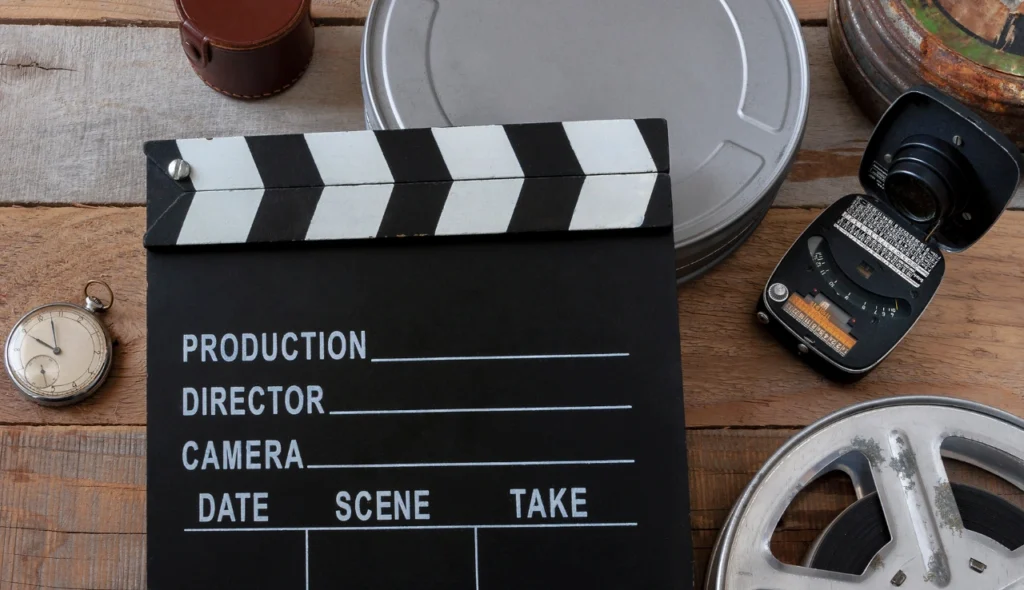
Post-production is the stage when raw video takes the final form of a beautiful and cohesive final product. There is editing, sound design, animation, and every step in between that takes care of the storytelling. This is also the area when the video take its identity through colour, pace, rhythm, and sound.
So, what goes into post-production?
Video Editing
Editors put together raw footage, align scenes, cut clips, and flow the narrative. With editing software, this is when the story takes the formality of transitions, timing, and sequencing, allowing the video editor to craft the final product. Quality editing keeps the viewer engaged from beginning to end.
Sound Design
The sound team adds music, cleans up the dialogue, and makes things happen with sound effects. These layers allow for immersive feelings in the video and create emotional effect. Clean audio also raises professionalism and assures people hear your message throughout the duration of the video.
Colour Grading & Correction
Colour grading offers mood, continuity, and depth through every scene and makes your video important. Whether you need warmer tones, cinematic contrast, or brand colours, colour grading gives your video a unique identity. This is an essential step for corporate video production and high end branding projects.
Animation & Motion Graphics
Animation aids in the interpretation of complex concepts, especially in explainer videos, training videos, etc. Motion graphics supports storytelling, provides guidance to viewer attention, and creates a more professional and contemporary appearance to your video in general. Additionally, they are perfect for animating data, icons, or products, as well as reinforcing important brand messages.
Final Review & Revisions
The process begins by going through an internal review, client review, and a review for a mix of rounds until all parties feel as though the video successfully matches the original vision. This stage is essentially to make sure your final product feels complete, and balanced, and has no errors. And it gives that final professional touch to the video that is needed before distribution.
Exporting The Final Video
The post-production team exports the final video into the necessary versions depending on the end platform (social media, website, presentation, ad, etc) as each one has their own specifications and exporting correctly will help to ensure the overall maximum quality of the content.
Why Understanding The 3 Main Stages Of Video Production Matters
Being aware of the three phases of video production provides brands with better planning, budgeting, and storytelling. It also facilitates communication with production companies so that you can maximize your investment.
A well-defined process can help you:
- Plan more efficiently in terms of timelines and responsibilities
- Budget accurately for costs in order to avoid unnecessary revisions or reshoots
- Communicate and collaborate effectively with your video production team
- Increase the quality of your video by allowing sufficient time and attention during each stage of video production
- Enhance your strategy by producing videos that align with your marketing goals
Being aware of and understanding what are the three main phases of video production will serve to increase your video’s success from initial concept through to property delivery.
Conclusion
What are the three main phases of video production?
Pre-production, production, and post-production are the 3 stages of video production that are essential for creating a video. They are the foundation of every successful video project; when each step to video production is approached with clarity and intention, your final product is effective, engaging, and aligned with your goals.
Are you ready to create your high-quality video that delivers results? Our video production team at Amigoz is ready to support you with everything you need to bring your idea to life from early concept to final delivery. Already have your project in mind? Get in touch with us today here.
FAQs
1. What Are The 3 Main Stages Of Video Production?
There are 3 key phases: pre-production, production, and post-production. These 3 phases encompass the entire video production process, from video planning to video delivery.
2. Why Is Pre-Production Important?
Pre-production can ensure that the aims, message, logistics, and vision of any video production company are consistently aligned before the production stage of video production is initiated. This is important for any video production company as it prevents expensive video production mistakes.
3. What Happens During Post-Production?
Steps involved in the post-production process include video editing, sound design, colour grading, motion graphics, review, and export. This is where raw footage is transformed into a final video.